What Causes Circuit Breakers to Trip? Top Reasons and Fixes
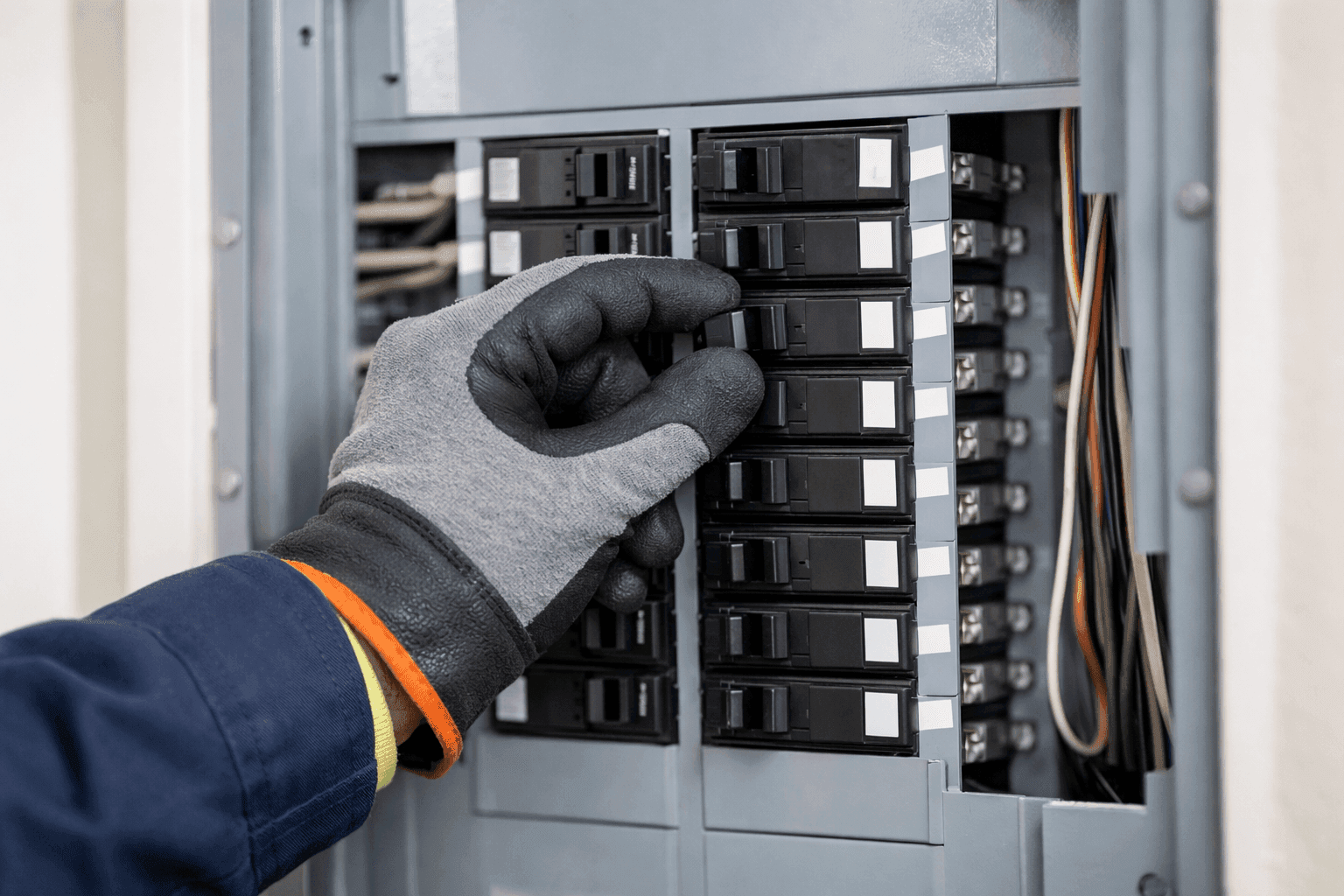
Does your circuit breaker keep snapping off, leaving you in the dark or dashing for a flashlight? You’re not alone. Breaker trips are among the most common headaches for homeowners, and they’re a vital safety feature—not just an inconvenience.
At Angelic Electric, we help people just like you regain peace of mind every day, making sure your electrical system is safe, sound, and ready for anything.
Why Do Circuit Breakers Trip? The Most Common Causes
Imagine a breaker as your home’s personal bodyguard. When something threatens the system—too much demand, a hidden shortcut, a sneaky fault—it steps in, cutting power before real trouble starts.
The most frequent culprits are:
- Circuit overloads: Too many devices plugged in or running at once.
- Short circuits: Wires touching that definitely shouldn’t.
- Ground faults: Electricity escaping to the wrong place, often through water or damaged wires.
- Faulty appliances: A misbehaving toaster or space heater can be the hidden trigger.
Let’s break down each cause so you recognize the warning signs.
Overload: When Your Home Asks for Too Much
Think of your circuit like a water pipe. If too much water rushes through, pressure builds and the pipe bursts. With electricity, the breaker “bursts” by shutting off, protecting wires from overheating and possible fire.
Common overload triggers:
- Plugging several high-powered appliances (think space heaters, hair dryers) into one outlet.
- Outlets & Switches near you that are daisy-chained with extension cords.
- Older homes with outdated panels straining to keep up with new tech.
Tip: If your breaker trips when several devices are on, you’ve likely found your culprit.
Short Circuits: Unwanted Shortcuts
A short circuit happens when electricity takes a shortcut, skipping its normal path. It’s like a river carving a new, dangerous channel through its banks.
You might notice:
- A burning smell or scorch marks near outlets.
- The breaker trips immediately after resetting.
- Buzzing or popping sounds.
Short circuits demand serious attention. Don’t ignore them.
Ground Faults: Electricity Gone Rogue
Ground faults occur when electricity flows outside its intended path—often through moisture or a damaged wire. Kitchens, bathrooms, and outdoor outlets are common spots.
Keep an eye out for:
- Breakers tripping when you use appliances near water.
- Tingling sensations when touching switches or appliances.
- GFCI outlets that won’t reset.
Ground faults are dangerous and can cause severe shocks.
Faulty Appliances: The Hidden Trouble
Sometimes, the breaker is just doing its job guarding against a bad actor: a malfunctioning device. Old fridges, worn-out space heaters, or even a new gadget with a manufacturing defect can suddenly create problems.
Quick check: Unplug everything from the affected circuit. If the breaker stays on, plug devices back one at a time until the trip returns.
Safety First: What to Do When a Breaker Trips ⚡
Don’t panic! Most trips aren’t emergencies. But safety is key.
Step-by-Step Troubleshooting
- Pinpoint the affected circuit. Check which rooms or outlets are powerless.
- Unplug everything from those outlets—even that charger hiding behind the couch.
- Go to your panel. Find the breaker in the “off” or “tripped” position (usually halfway between on and off).
- Firmly switch it off, then back on.
- Plug in devices one by one. If it trips again, you’ve likely found the problem child.
If the breaker won’t reset, or trips instantly, stop—don’t force it.
When to Call a Pro: Warning Signs You Shouldn’t Ignore
Some situations need more than a reset. Call Angelic Electric if you notice:
- Repeated breaker trips on the same circuit.
- Burning smells from your panel or outlets.
- Panel feels hot to the touch.
- Visible scorch marks or melting.
- Buzzing, crackling, or popping sounds from the electrical panel.
- No power after resetting with everything unplugged.
These are signs of deeper issues—wiring, panels, or circuits gone astray. Electrical issues can escalate fast. Never try to force a breaker to stay on, or tape it in place.
The Pros’ Approach: What Happens When We Arrive
You might wonder—what does an electrician actually do when they show up for a tripping breaker?
At Angelic Electric, we’ll:
- Inspect your panel and breakers for wear or visible damage.
- Use specialized meters to check for shorts, ground faults, or overloaded circuits.
- Test outlets, switches, and connected devices for hidden faults.
- Review your recent electrical usage and ask about new appliances.
- Advise on upgrades if your system isn’t keeping up with your needs.
If the issue is with the panel, we can recommend safe options for Panels & Breakers upgrades or repairs.
Prevention: Keeping Your Breakers Happy and Your Home Safe
Breaker trips are not just random bad luck. They’re a sign your system is working—but also a hint that something needs attention.
Tips for prevention:
- Avoid daisy-chaining extension cords or overloading outlets.
- Space out high-demand appliances across different rooms or circuits.
- Schedule regular electrical safety inspections with a qualified electrician.
- Replace old or suspect appliances.
- Upgrade your panel if your home’s needs have outgrown it.
Routine maintenance is like giving your home a regular checkup. It keeps surprises to a minimum.
The Cost and Time Factor: What Should You Expect?
Most simple breaker resets cost nothing but a few minutes. If troubleshooting points to a faulty device, replacing it may solve the issue for under a hundred dollars.
But if the fault lies deeper—damaged wiring, panel issues, or outdated breakers—repair costs and time can grow. Panel replacement or full circuit rewiring is more involved. Still, it’s an investment in your safety and peace of mind.
We’re always upfront about what’s needed and why.
Emergency? Know the Red Flags 🚨
Some breaker trips are urgent. If you experience any of the following, treat it like an emergency:
- Smell of burning plastic or wires.
- Smoke or visible fire near the panel or outlets.
- Repeated tripping even with everything unplugged.
- Sparking outlets or switches.
Turn off power at the main breaker (if safe), leave the area, and call for emergency electrical services immediately.
Common Mistakes Homeowners Make
It’s easy to make small errors in the heat of the moment:
- Forcing a breaker to stay on.
- Ignoring repeat trips as “just a fluke.”
- Overloading outlets with power strips.
- Using the wrong type of extension cords.
- Delaying needed repairs.
If you’re unsure, call in a professional. Electrical issues are not DIY territory beyond basic troubleshooting.
Seasonal Surges: Why Breakers Trip More in Summer and Winter
Extreme temperatures push your home’s electrical system harder. In winter, space heaters and holiday lights add strain. In summer, AC units, fans, and pool equipment pile on.
If you notice more trips during peak months, your circuits may need to be redistributed or upgraded. That’s where Wiring & Circuits expertise comes into play.
Frequently Asked Questions
Q: Can I just use a higher-rated breaker to stop trips?
A: Never swap a breaker for a higher rating without a licensed electrician’s assessment. It’s like replacing a car’s fuse with a nail—dangerous and not a real fix.
Q: Are old panels more likely to trip?
A: Yes. Age, wear, and outdated technology make older panels more prone to nuisance trips and real hazards. Consider a panel upgrade if yours is over 25 years old.
Q: How often should I have my panel inspected?
A: The National Fire Protection Association (NFPA) recommends a professional inspection every 3–5 years, or after any major electrical event.
Signs of Trouble: What to Watch For
Your electrical system often whispers before it screams. Stay alert for:
- Flickering lights.
- Switches or outlets that feel warm.
- Unusual buzzing or hissing.
- Circuit breakers that look worn, cracked, or loose.
Catching these early can prevent bigger headaches down the line.
Proper Load Management: The Secret Ingredient
Modern homes are packed with gadgets, appliances, and tech. Proper load management is about spreading the electrical demand so no single circuit bears too much weight.
If you’re planning renovations or adding new appliances, consult an electrician company with experience handling Panels & Breakers upgrades and Fault Finding. This keeps your home safe and future-proof.
Timeline and Disruption: What a Repair Involves
Most troubleshooting and simple fixes can be done in a single visit. Panel upgrades or rewiring take longer—often a day or two, sometimes more for larger homes.
We always work swiftly, safely, and with as little disruption as possible.
Materials and Equipment Pros Use
Electricians arrive with:
- Voltage testers and meters.
- Insulated tools.
- Replacement breakers and fuses.
- Safety gear for themselves and your home.
- Knowledge of the latest National Electrical Code (NEC) standards.
You get peace of mind knowing every repair meets strict safety requirements.
Keeping Your Family Safe: Smoke Detectors and Surge Protection
Breaker trips can sometimes reveal other safety gaps. Make sure your smoke and carbon monoxide detectors are up to date. Consider whole-home surge protection to guard sensitive electronics from sudden spikes.
A little prevention goes a long way.
When your breaker keeps tripping, don’t leave it to chance. Your peace of mind is worth a quick call.
Call Angelic Electric now — or reach us anytime at 844-440-1817 .