Whole-House Surge Protection vs. Plug-In Protectors: What’s Best?
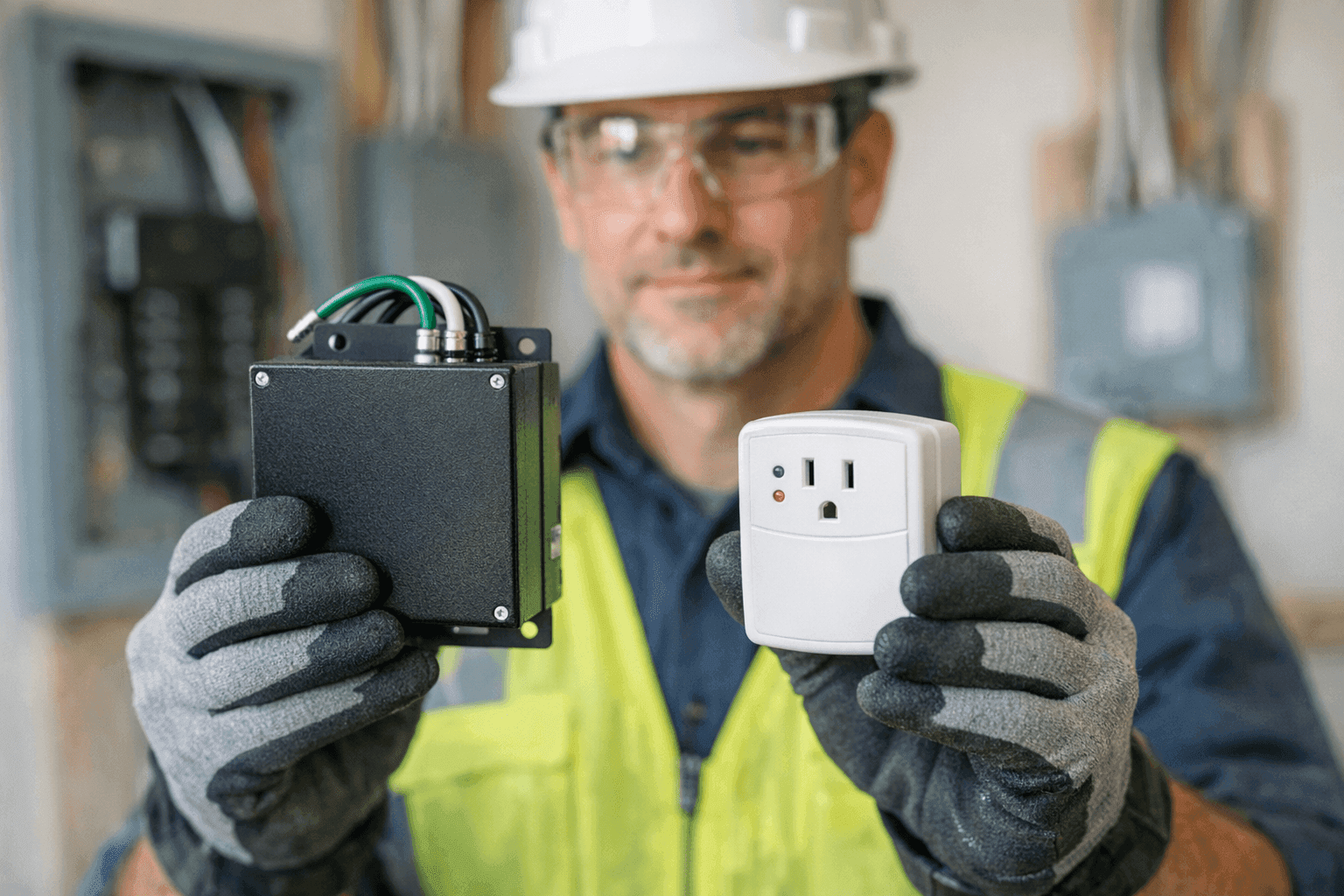
When Power Surges Strike: Are You Ready?
Picture this: A storm rolls in. Lightning cracks. The lights flicker, and your heart skips a beat. In that split second, a surge of electricity shoots through your home’s wires. Is your TV safe? What about your fridge or your computer? Most folks don’t think about surge protection until it’s too late.
At Angelic Electric, we see the aftermath all too often. Burned-out appliances. Fried circuits. Families left in the dark—literally and figuratively. Let’s break down your best lines of defense so you can avoid surprises and keep your peace of mind.
What Exactly Is a Power Surge?
A power surge is a sudden spike in electrical voltage. Sometimes it’s obvious, like a lightning strike. Other times, it sneaks in quietly—maybe when a big appliance kicks on or the power grid hiccups. Even small surges, over time, can wear down your electronics like sandpaper on wood.
The Two Main Choices: Whole-House vs. Plug-In
When it comes to protecting your home, you have two main options:
- Whole-house surge protectors: These are hardwired into your main electrical panel.
- Plug-in (point-of-use) surge protectors: These are the strips and boxes you connect directly to an outlet.
Each has its strengths, weaknesses, and best uses. Let’s peel back the layers.
Whole-House Surge Protection: The Home’s Bodyguard 🏠
Think of a whole-house surge protector as a bouncer at your front door. It’s the first to greet any unwanted electrical guests, stopping most surges before they can wander your hallways.
How it works:
- Installed at your main breaker panel by an electrician.
- Protects your entire electrical system: outlets, switches, wiring, and everything plugged in.
- Handles big surges (like lightning or utility issues) and many smaller ones.
What it guards:
- Large appliances: fridges, washers, dryers.
- HVAC systems.
- Lighting circuits.
- Hardwired devices (think: security, doorbell, or intercom systems).
Limitations:
- Not every surge is stopped. Some “sneak past” if they originate inside the home.
- Doesn’t prevent damage from direct lightning strikes—no system can.
For more details about our surge protection services, check out how we can help.
Plug-In Surge Protectors: The Quick Shields
If whole-house protection is the bouncer, plug-in protectors are like personal umbrellas. They’re great at shielding what’s close but can’t cover the whole crowd.
What they do:
- Absorb surges right at the outlet.
- Best for sensitive electronics: computers, TVs, gaming consoles.
- Portable and easy to swap out.
Where they shine:
- Apartments or rentals where panel access isn’t possible.
- Protecting high-value devices in specific rooms.
Limitations:
- Only guard what’s plugged into them.
- Can wear out over time—most people never realize their strip stopped working.
Real-World Scenarios: Which Should You Choose?
You just bought a new smart fridge and a 70-inch TV.
A plug-in protector is a must, but consider a whole-house system for layered protection.
You’re renovating and adding a home office.
A whole-house protector keeps your investment safe, while plug-ins guard your computers.
You rent an apartment.
Plug-in devices are your best bet. Just make sure they’re properly rated.
You’ve noticed flickering lights or tripped breakers.
It’s time for a professional check—there could be underlying wiring or circuit issues.
Layering Protection: The “Seatbelt and Airbag” Approach
Why pick one when you can have both? Safety experts (including the National Fire Protection Association) recommend layering:
- Whole-house surge protector: Stops the big, ugly surges at the door.
- Plug-in protector: Adds a second shield for sensitive gear.
This combo covers more ground and gives you peace of mind, even during wild weather.
How Installation Works: Don’t DIY This One
Whole-house surge protectors aren’t a job for a Saturday afternoon. They tie directly into your main electrical panel—one wrong move can mean serious danger.
What a pro does:
- Evaluates your panel and wiring.
- Installs and grounds the device according to National Electrical Code (NEC).
- Checks for other electrical issues: worn outlets and switches, loose connections, or outdated wiring.
Plug-in protectors are simple to use, but even then, it’s wise to have an electrician check your circuits if you’re experiencing frequent surges.
The Hidden Dangers: When Surges Go Unchecked
Ignoring surge protection is like leaving your windows open in a storm. Small spikes chip away at your electronics. Wires heat up, insulation breaks down, and eventually, you’re left with expensive repairs or—worse—a fire hazard.
Watch for:
- Frequent tripping breakers or blown fuses.
- Outlets that feel warm or look scorched.
- Electronics that randomly reset or won’t power on.
If you notice any of these, call for help. Fast.
Quick Safety Checklist for Homeowners
- Check that all critical devices are plugged into surge-protected outlets.
- Inspect plug-in protectors for wear or damage—replace if in doubt.
- Schedule regular electrical safety inspections.
- Don’t overload outlets—spread devices across circuits.
- Ensure your main panel is up to code.
How Much Does It Cost? Time, Disruption, and Value
- Whole-house surge protection: Most installations take about 1–2 hours. Pricing depends on your panel and home size.
- Plug-in protectors: As low as $20, but high-quality models run higher.
- Disruption: Minimal. Power is off during installation but back quickly.
Remember: Replacing a TV or appliance costs far more than prevention.
Seasonal Surge Trouble: When Risks Are Highest 🌩️
Spring and summer storms. Winter blackouts. Even the holidays, when everyone plugs in lights and heaters. These are prime times for surges.
Tip: Schedule surge protection before storm season hits.
What NOT To Do: Common Mistakes
- Relying on old power strips—they don’t always contain surge suppressors.
- Ignoring signs of trouble like buzzing outlets.
- DIY installations of panel-based protectors.
When It’s an Emergency
If you smell burning, see sparks, or lose power suddenly, shut off your main breaker and call an electrician immediately. Safety comes first.
FAQs: Quick Answers to Common Questions
Can surge protectors prevent all damage?
No. They reduce risk but can’t guarantee protection from direct lightning.
How often should I replace plug-in protectors?
Every 3–5 years, or sooner if you notice damage.
Is whole-house protection required by code?
Some areas now require it in new construction—always follow the latest NEC guidelines.
Maintenance Matters: Keep Your System Strong
- Test plug-in protectors regularly (many have indicator lights).
- Schedule electrical inspections yearly.
- Upgrade outdated panels or wiring for maximum safety.
If you’re curious about Wiring & Circuits, we’re here to help.
Final Thoughts: Choose Protection That Fits Your Life
Surge protection isn’t just a “nice to have.” It’s an essential guard for your home, your investments, and your family’s comfort. Whether you go whole-house, plug-in, or both, proactive steps today prevent headaches tomorrow.
Call Angelic Electric now — or reach us anytime at 844-440-1817 .