Why GFCI Outlets Are Essential for Home Safety
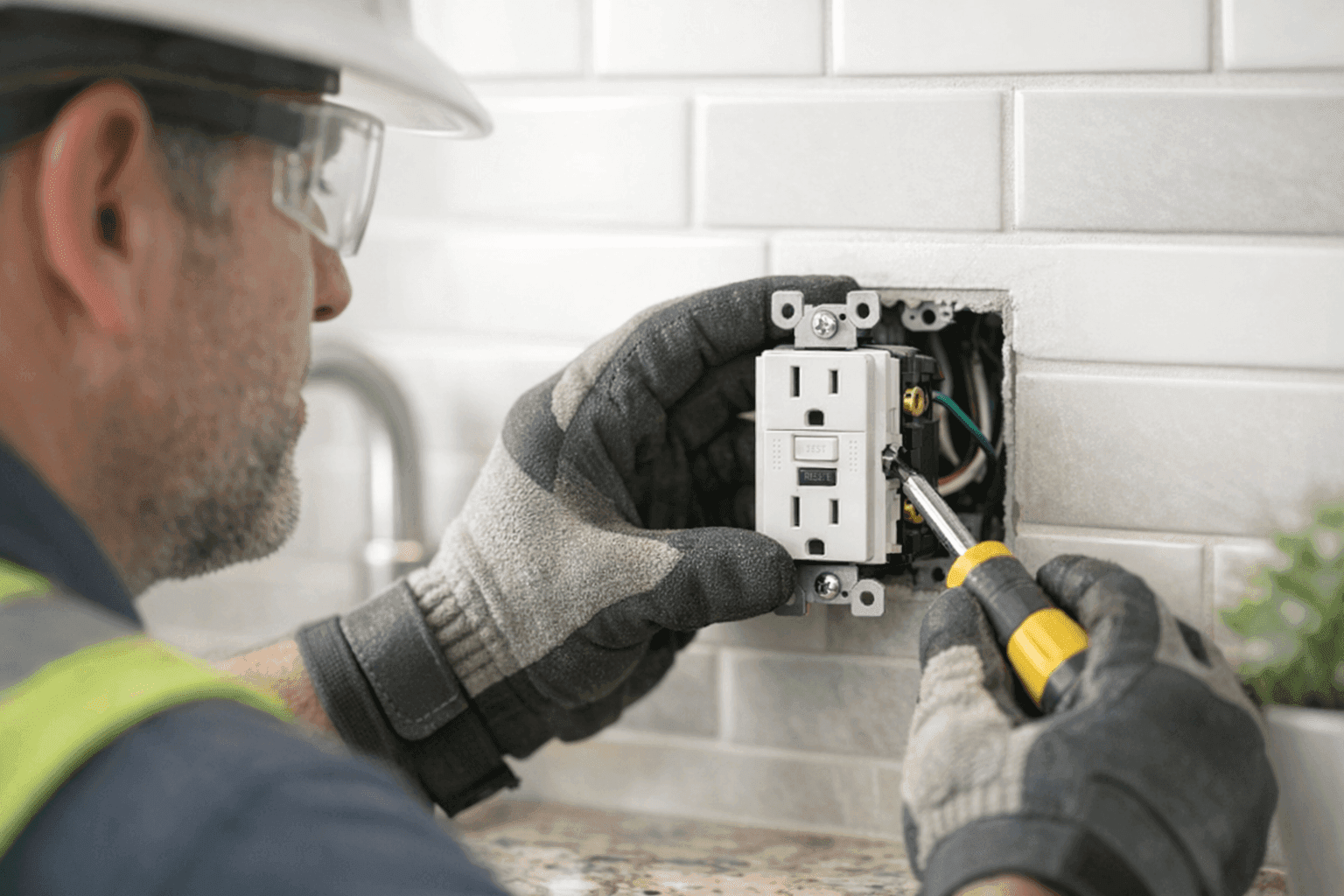
The Silent Threat in Your Walls
Electricity keeps our homes bright, our food cold, and our phones charged. But behind every outlet, there’s a hidden risk—a spark waiting to happen, a shock waiting for an unlucky hand. You don’t see it, but it’s there, humming behind the walls.
That’s why safety isn’t a luxury. It’s a necessity. At Angelic Electric, we’ve seen how one simple upgrade can make all the difference. Enter the GFCI outlet: a small device with the power to save a life.
What Is a GFCI Outlet, Really?
Think of a GFCI (Ground Fault Circuit Interrupter) outlet as a vigilant lifeguard. The second it senses danger—like electricity flowing down the wrong path, possibly through water or even a person—it jumps in and cuts the current. Instantly.
This isn’t just a technical upgrade. It’s a shield between you and the silent threats of everyday electricity.
How Do GFCI Outlets Work?
Imagine water spilling onto a kitchen counter, slipping beneath a toaster. If electricity tries to escape the safe road and finds a shortcut (say, through your hand), a GFCI detects this imbalance—within 1/40th of a second—and shuts everything down. It’s that fast.
Here’s what happens:
- The GFCI constantly compares the flow of electricity in and out.
- If even a tiny mismatch occurs, it reacts before you can blink.
- Power is cut off, stopping a shock or worse.
That’s why the National Electrical Code (NEC) requires them in the most vulnerable spots in your home.
Where Are GFCI Outlets Required?
Not all outlets are created equal. Some sit in spots where water, dampness, or outdoor weather makes them extra risky. That’s where GFCIs step in.
According to the NEC and local building codes, GFCI outlets are required in:
- Kitchens: Anywhere near sinks or countertops.
- Bathrooms: Every single outlet.
- Laundry rooms: Especially within 6 feet of a water source.
- Garages: All outlets.
- Basements and crawl spaces: Where dampness lurks.
- Outdoors: Every exterior outlet.
- Utility rooms and wet bars: If water’s nearby, GFCI’s a must.
- Pools, spas, and hot tubs: For obvious reasons—water and electricity don’t mix.
If your home doesn’t have GFCIs in these places, it’s not just outdated. It’s unsafe.
The Real Dangers: What If You Don’t Have GFCIs?
Skipping GFCI protection is like leaving your seatbelt unbuckled. Minor shocks might seem like a nuisance, but one surge can be fatal. The U.S. Consumer Product Safety Commission reports hundreds of accidental electrocutions every year—most could be prevented with GFCIs.
Risks include:
- Electric shocks: Even mild ones can cause burns, muscle injuries, or worse.
- Electrocution: Water and unprotected outlets can be a deadly mix.
- Fire hazards: Electrical faults can spark blazes behind walls.
It’s not worth gambling with your family’s safety.
Quick Home Safety Checklist 📝
Not sure if your home is protected? Try this:
- Press the “Test” button on outlets in kitchens, baths, garages, and outside.
- If the outlet clicks off, then resets with the “Reset” button, it’s a GFCI.
- No test/reset? Time for an upgrade.
Still uncertain? Professional Safety Checks by a licensed electrician can reveal hidden hazards fast.
DIY or Call an Electrician? The Honest Truth
Changing a lightbulb? Sure, DIY. But GFCI installation isn’t a basic project. It requires shutting off circuits, verifying wiring, and sometimes troubleshooting old panels or faulty circuits.
When you hire an electrician, you get:
- Code-compliant installation—no guesswork.
- Peace of mind that every screw and wire is right.
- Guidance on where upgrades are needed most.
Looking for Outlets & Switches near you? Angelic Electric has you covered, from first inspection to final installation.
What Happens When the Pros Arrive
Expect more than just a quick swap. Here’s our approach:
- Assessment: We check your current outlets, wiring, and panel capacity.
- Upgrades: Outdated or damaged outlets are replaced with new, code-approved GFCIs.
- Testing: Every new GFCI is tested for response time and reliability.
- Reporting: You get a clear picture of your home’s electrical health.
Our Electrical Safety Inspections deliver more than a stamp—they deliver real peace of mind.
Maintenance: Keeping GFCIs Working Their Best
Like smoke alarms, GFCIs need a quick test every month. Just press the “Test” button, then “Reset.” If nothing happens, or the outlet won’t reset, it’s time for a replacement.
Tip: Mark your calendar. A simple test could prevent a serious accident.
What’s It Cost? Time, Disruption, and Materials
Most GFCI upgrades are quick. In many cases, we’re in and out in under an hour per outlet. Older homes or tricky wiring can take longer, but the disruption is minimal—no holes in the wall, no days of chaos.
Materials? Only certified, tamper-resistant outlets make the cut. We’ll never recommend cheap knockoffs.
Is It an Emergency?
If you smell burning plastic, see sparks, or lose power to a wet area, shut off the breaker and call us immediately. Never touch a wet or damaged outlet.
For 24-hour emergencies, Angelic Electric is always on call.
What Are the Signs of a Failing GFCI Outlet?
Outlets can go bad—even safety ones. Watch for:
- Frequent tripping for no reason
- The outlet feels warm or buzzing
- The reset button won’t stay in
- No power, even after resetting
Any of these? Time for an upgrade.
Common Mistakes Homeowners Make
- Replacing GFCIs with standard outlets “to stop tripping”—dangerous and never code-compliant.
- Ignoring outlets that don’t reset.
- Skipping required spots, like outdoor sockets or unfinished basements.
- Overloading circuits with too many appliances.
When in doubt, ask a licensed electrician.
Timeline: What to Expect During Upgrades
- Initial visit: We check every at-risk outlet.
- Work: Each GFCI takes about 30–40 minutes.
- Wrap-up: All work areas are left clean—no mess, no surprises.
- Follow-up: We answer any lingering questions and recommend next steps if needed.
Materials and Equipment: What We Use
- Certified GFCI outlets (weatherproof models for outdoors)
- Tamper-resistant covers
- Voltage testers
- Heavy-duty wire and connectors
We source only from trusted brands that meet or exceed national safety standards.
Seasonal Considerations for GFCI Outlets
- Spring/Summer: Rain and yard work mean outdoor outlets face more risk.
- Winter: Holiday lights and heaters can overload unprotected circuits.
- Year-round: Kitchens and bathrooms always demand GFCI vigilance.
Stay safe in every season.
Frequently Asked GFCI Questions
Q: Can I plug anything into a GFCI outlet?
A: Yes. They work just like regular outlets but with added protection.
Q: How often should I test them?
A: Once a month.
Q: Are GFCIs required in older homes?
A: If you update wiring or remodel, yes. Upgrading is always safer.
When to Upgrade—And Why It Matters
Don’t wait for a scare or close call. Code changes often, and yesterday’s “okay” can become today’s risk. Upgrading to GFCI outlets is a smart move for families, first-time homeowners, and anyone who values safety.
Live in Minneapolis or nearby? Our electrician team is just a call away.
Take Action—Protect Your Home Today
Electrical safety starts with smart choices. Don’t let one overlooked outlet become your family’s weak link.
Call Angelic Electric now — or reach us anytime at 844-440-1817 .